Every construction project costs more than just bricks and labor. Many people forget about the hidden expenses that keep a project running smoothly behind the scenes. This is where soft cost in construction come in.
Simply put, construction soft costs are the planning, paperwork, and money-related expenses that don’t involve physical building work. From permits to insurance, the soft costs can quietly eat up 20%-30% of your total budget. If you don’t plan for them early, they can throw your whole project off track.
In this blog, we will break down what these costs are, why they matter, and how smart financial planning can help you manage them better.
What Exactly Are Soft Costs?
Soft price meaning are simply the costs that don’t involve physical building work. They cover the planning, paperwork, and professional services needed to make a project happen, things like architect fees, permits, insurance, and loan interest. None of these can add a single brick to the building, but without these services, the project simply can’t move forward legally or financially.
Soft costs in construction are often the part that individuals forget about when budgeting. Everyone remembers to count materials and labor, but the behind-the-scenes costs are just as real and just as crucial to plan for.
These include architectural design, engineering permit applications, legal advice, insurance, accountancy, financing costs, and project management. A number of these costs arise months before construction and may last even beyond when the structure is in use.
Since many soft costs occur gradually throughout the project, they are sometimes overlooked during early budgeting. However, underestimating them can significantly affect project profitability and cash flow. This is why accurate construction cost estimation is essential from the start of every project.
Why Do Soft Costs Matter?
The importance of soft costs for a successful project cannot be underestimated because their presence will help avoid problems related to finances and the organization of a project. These expenses take a considerable amount of money, and ignoring them leads to incorrect budgeting, possible problems with cash flow, and project delays.
Budget Planning Improvement: Planning of soft costs at the stage of budget making gives a better idea of the actual investments required for the project. This will also eliminate possible problems with the budget and help to make correct financial decisions.
Increased Project Efficiency: Correct planning of permits, professional services, financing, and project management helps the process to go smoothly, which in turn means no unnecessary delays or interruptions.
Lowering of Financial Risks: Planning of expenses, such as insurance, legal services,s and other compliance-related expenses, will minimize financial risks connected with these types of costs.
Essential Soft Costs in Construction
Construction soft costs cover so many different areas of a business. Now, let's break down the essential categories so you know exactly where the invisible money actually goes.
1. Design and Engineering Costs
Before any construction starts, they need a map showing them exactly what to do. This includes fees paid to architects, structural engineers, and interior designers. Architects spend hundreds of hours drawing layouts so the building looks good and functions well. At the same time, structural engineers calculate exactly how thick columns must be to survive harsh weather and earthquakes. Interior designers also fall into this group because they choose the lighting, color schemes, and interior layouts to make the space usable. These professionals turn an idea into a workable plan, and their expertise doesn't come free. Good design also helps avoid costly mistakes later, so this is money well spent. Many contractors rely on proper construction project estimation processes to improve planning accuracy.
2. Permitting and Licensing
You can't just start building wherever you want. Cities and local governments require permits and approvals before construction can begin. Therefore, a project must pay for zoning approvals to ensure the building is allowed in that specific neighborhood. Furthermore, it is necessary to purchase permits and conduct specialty inspections. This includes inspections for plumbing, safety, and electrical aspects in order to verify proper performance of the project.
3. Financing and Legal Costs
This category covers loan interest, origination fees, and attorney costs for reviewing contracts. Most construction projects need outside funding, and managing that money smartly is just as important as managing the build itself.
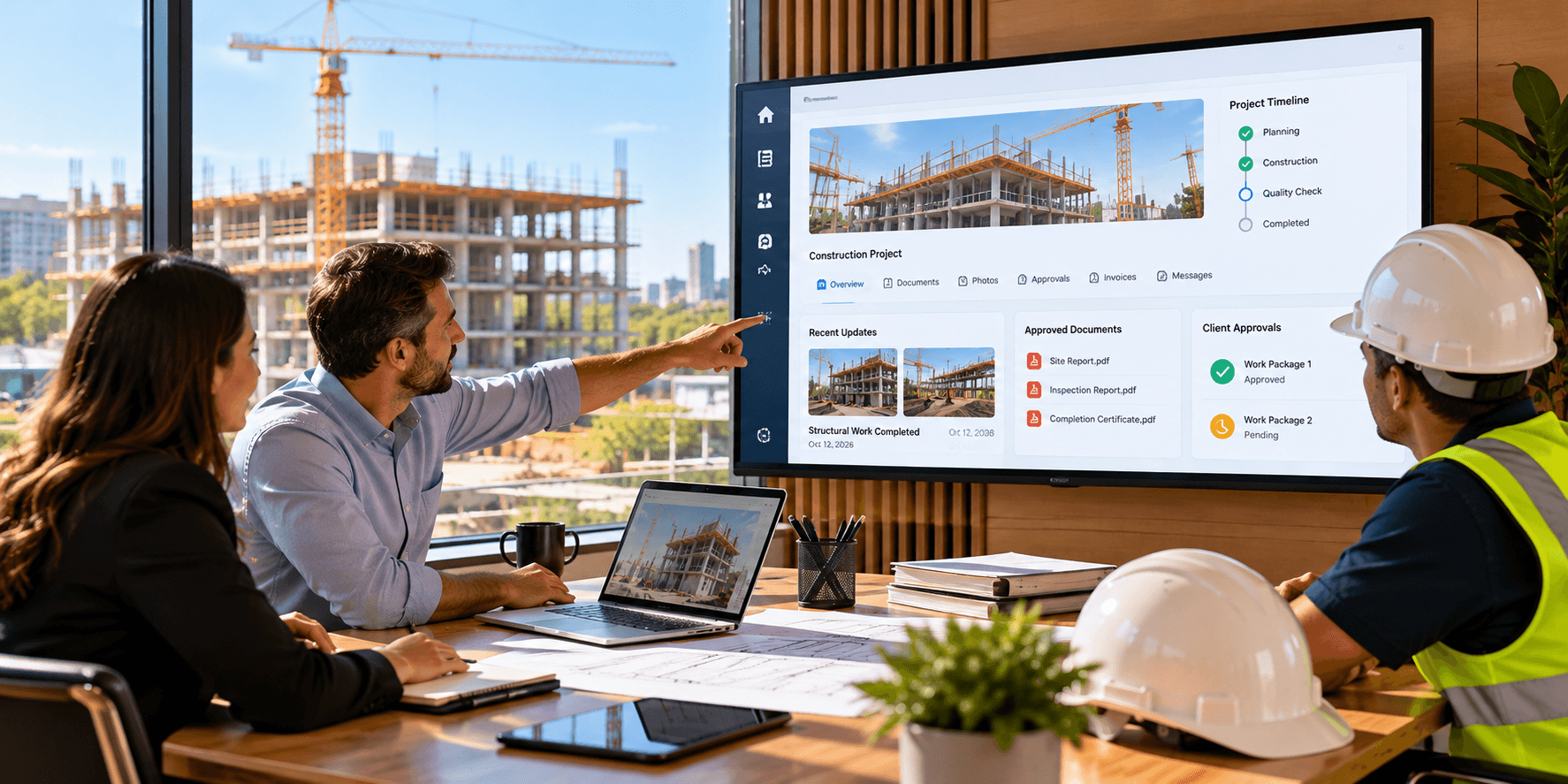
This is where many construction companies run into trouble with their tracking, especially when they lack construction project management software that connects project data in one place. Because soft costs build up across different phases, keeping an eye on every invoice, permit fee, and professional rate can become an administrative nightmare. This is exactly the kind of issue that Bouwflow solves. As an all-in-one ERP and project management software for construction, Bouwflow helps you streamline your project administration, track budgets in real time, and gain full control over your margins. Having a smart digital solution from the start can save you lots of financial trouble later on.
4. Insurance and Bonds
Construction sites carry risks, so insurance is a must. A bad storm could damage an unfinished roof, or an accidental fire could break out on site. To protect their financial investment, businesses buy builders' risk insurance and general liability insurance. They also buy performance bonds, which are special financial guarantees ensuring the project will get done even if the primary building company unexpectedly goes out of business.
5. Administration and Management
Someone has to keep the project organized, and that comes at a cost, too. Project managers handle this by tracking schedules, ordering supplies, and managing workers. Their salaries are considered soft costs. This category also covers temporary on-site utilities—like the electricity and Wi-Fi used inside the temporary office trailer—alongside accounting fees for tracking every penny spent. These costs keep the project running smoothly day to day, even though they don't show up in the finished building.
6. Post-Construction Costs
Soft costs don't end when the building is complete. The building might be done, but it is just an empty shell. After construction wraps up, businesses often need movable furniture, IT setup, and marketing or leasing efforts to attract tenants or buyers. If the building is an apartment complex or a shopping center, the owner will also need to pay for ongoing marketing and leasing costs to find tenants to move in.These costs are easy to forget during budgeting, but they can add up quickly if you're not prepared. Accurate construction cost estimating software helps teams plan for these expenses much earlier.
How Much Should You Budget for Soft Costs?
As mentioned earlier, soft costs for construction generally range between 20% and 30% of the total project budget. However, this percentage can shift depending on the size, complexity, and location of the project.
For instance, an interior residential renovation will usually have smaller soft costs than a large commercial construction requiring many permits, engineering drawings, and legal assistance. Generally speaking, as the project becomes more complicated, the higher the cost of soft costs becomes.
An appropriate suggestion would be setting aside a certain amount of money as soft costs at the planning stage itself in order to prevent any surprises during the course of the project.
Tips to Manage Construction Soft Costs Effectively
Managing soft costs doesn't have to be overwhelming. Here are a few simple ways to stay on top of them:
Plan early: Know all the potential soft costs before any construction starts, not when it’s finished.
Work with experienced professionals: Work with people who know what they’re doing. Having an excellent architect or project manager is a great way to keep from making costly errors.
Monitor costs often: Don’t wait until the end of the project to go over your budget.
Simplify your money management: This is especially true when tracking various administrative expenses across multiple job sites using construction financial management software.
This last point is where many construction firms struggle the most, especially those expanding into new markets. That’s where Bouwflow makes a real difference. Instead of managing your quotes, invoices, and planning across scattered spreadsheets, Bouwflow brings your entire project administration together in one cloud environment. This makes it easier to track your margins and manage your soft costs with less stress.
Final Thoughts
Project soft costs may not be as visible as bricks and concrete, but they play a massive role in the success of any construction project. From design fees to financing, permits to post-construction marketing, these expenses add up quickly if they're not managed properly.
Knowing everything about construction soft costs will help you plan and prevent any financial surprises during the process. And if your construction firm needs a smart way to track project administration, manage workflows, and keep costs under control, Bouwflow can help you streamline your entire process from quote to invoice.
FAQs
What are soft costs in a construction project?
Soft costs are those costs involved in planning, administrative, and financial planning required to successfully complete a construction project. They include design costs, permit costs, insurance, financing, and any other costs incurred throughout the process of construction.
What proportion of construction costs are usually soft costs?
Typically, soft costs constitute between 20 percent and 30 percent of the overall budget of construction projects.
Does the occurrence of soft costs cease once construction ends?
No, some of the soft costs, such as marketing and leasing, occur even after the completion of construction.
Why are finance costs and legal costs categorized as soft costs?
Financing and legal costs do not entail actual construction; however, they are vital parts of the process without which construction cannot be successfully undertaken.
How can construction firms alleviate financial pressure due to soft costs?
Early planning, regular monitoring of expenses, and using an all-in-one construction management software like Bouwflow to track your budget will go a long way in managing soft costs.